
anti-aging
The Importance of Omega-3 Fatty Acids for Heart Health

Nothing here yet
Most people start with the greens.
We Think You Might Like
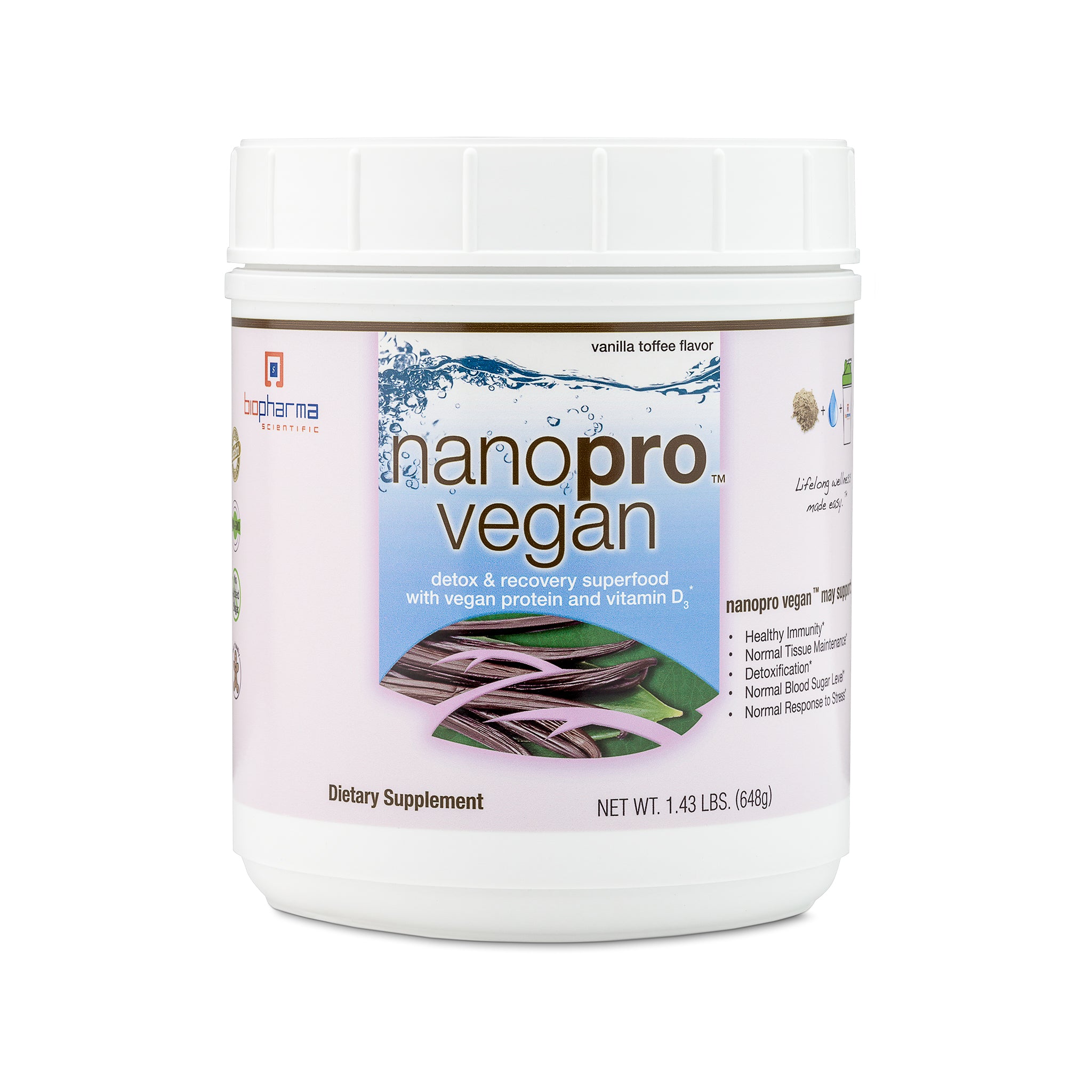
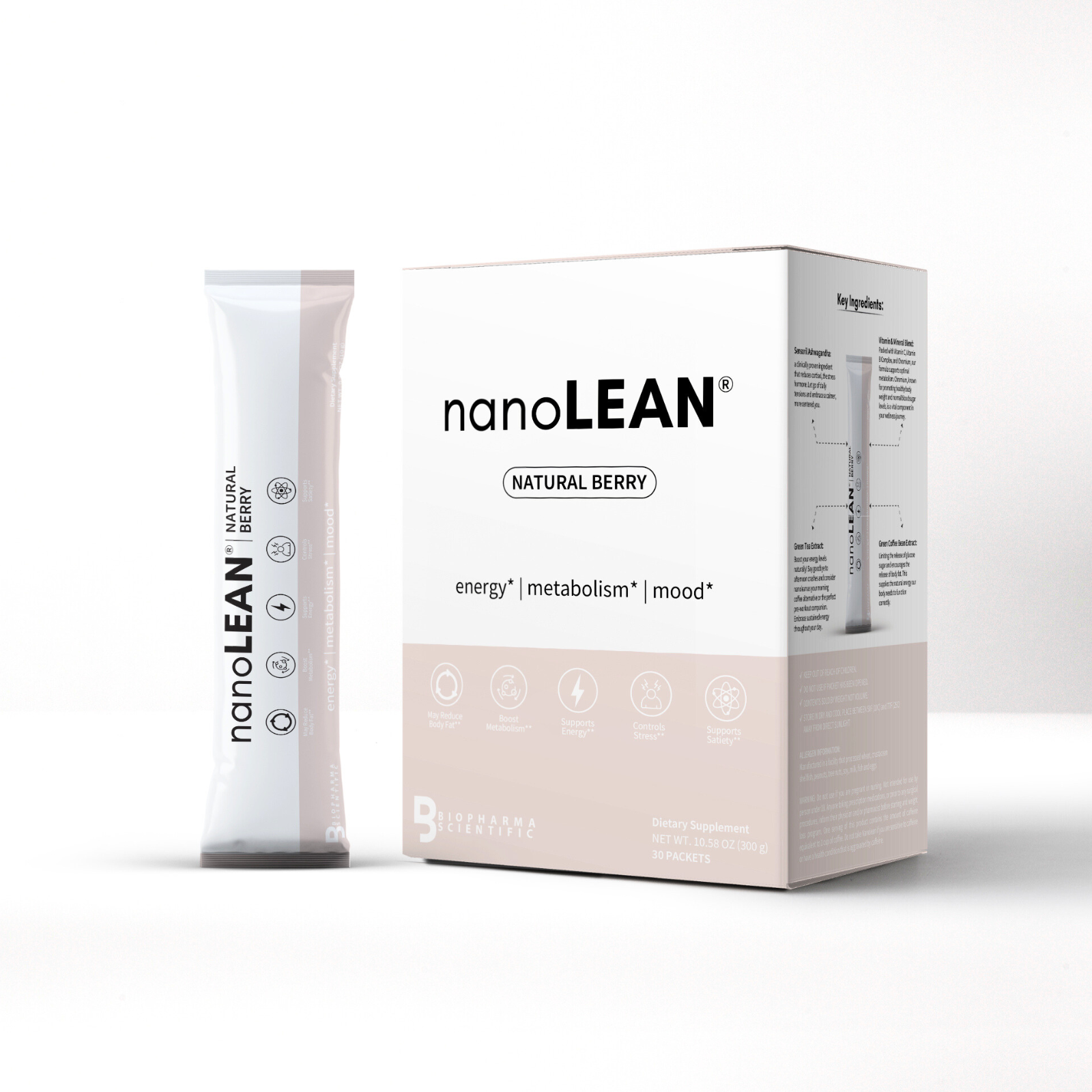
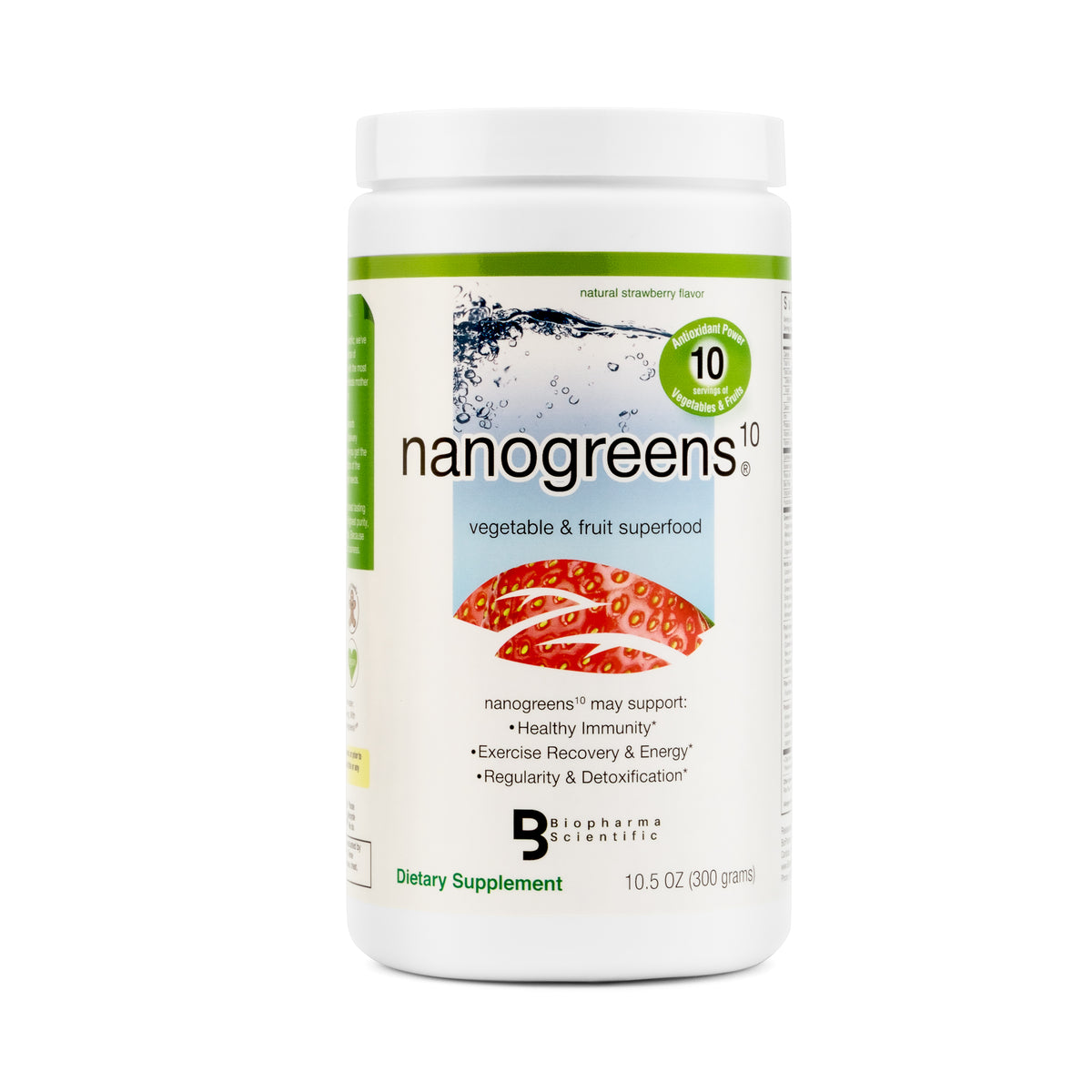
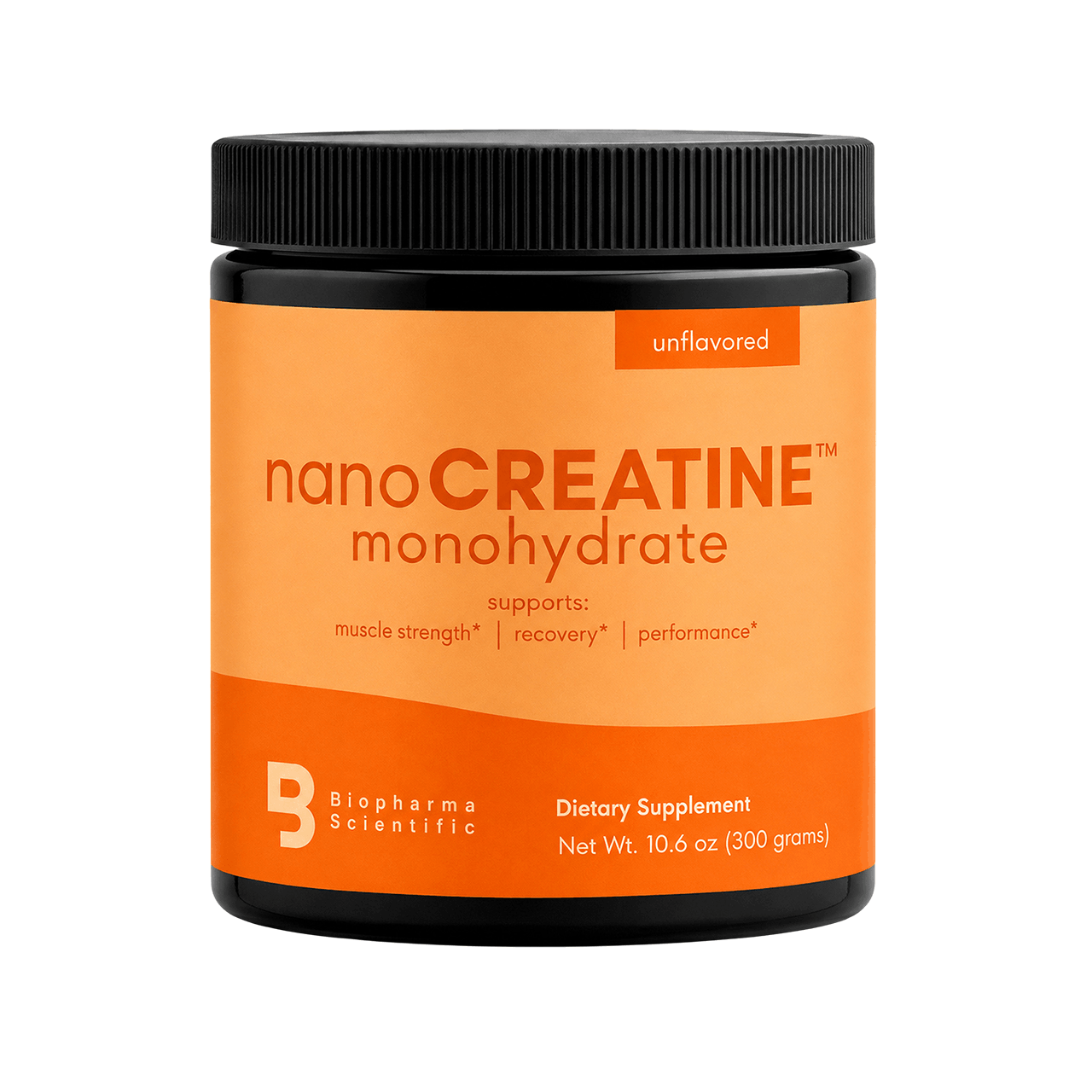
As we grow older, we all become more concerned about our heart health. Cardiovascular diseases are one of the leading causes of death in the world, and it's important to take steps to protect our heart health. One of the most effective ways to do that is by incorporating omega-3 fatty acids into our diet. In this blog, we'll explore the importance of omega-3 fatty acids for heart health and how they can benefit you.
Omega-3 fatty acids are essential fats that are crucial for our overall health. Our bodies cannot produce omega-3s on their own, so we must get them from our diet or through supplements. There are three main types of omega-3s: EPA, DHA, and ALA. EPA and DHA are found in fatty fish, such as salmon, tuna, and mackerel, while ALA is found in plant-based foods such as flaxseed, chia seeds, and walnuts.
Omega-3 fatty acids are known for their ability to improve heart health in several ways. Here are some of the most important benefits:
Lower Triglyceride Levels: Triglycerides are a type of fat that can accumulate in your blood and contribute to heart disease. Omega-3s can help lower triglyceride levels, reducing your risk of heart disease.
Reduce Inflammation: Chronic inflammation can contribute to the development of heart disease. Omega-3s can help reduce inflammation in the body, protecting your heart health.
Lower Blood Pressure: High blood pressure is a significant risk factor for heart disease. Omega-3s can help lower blood pressure, reducing your risk of heart disease.
Prevent Plaque Buildup: Plaque buildup in the arteries can contribute to heart disease. Omega-3s can help prevent plaque buildup, protecting your heart health.
Incorporating omega-3s into your diet is easy. Here are some tips:
Eat Fatty Fish: Eating fatty fish at least twice a week is an excellent way to get more omega-3s in your diet. Salmon, tuna, and mackerel are all excellent sources of EPA and DHA.
Take Supplements: If you don't eat fish, or you're not getting enough omega-3s in your diet, you can take supplements. Omega-3 supplements are widely available and come in various forms, such as capsules, gummies, and liquids.
In conclusion, omega-3 fatty acids are essential for heart health. They can help lower triglyceride levels, reduce inflammation, lower blood pressure, and prevent plaque buildup. Incorporating omega-3s into your diet is easy, whether you eat fatty fish or take supplements. By making this small change to your diet, you can help protect your heart health and reduce your risk of heart disease.
BioPharma Scientific's nanomega: pineapple orange is a great way to start your journey to better heart health!



Leave a comment
This site is protected by hCaptcha and the hCaptcha Privacy Policy and Terms of Service apply.